


“Something remarkable comes of staring the future deep in the eyes and challenging everything it seems to promise.”
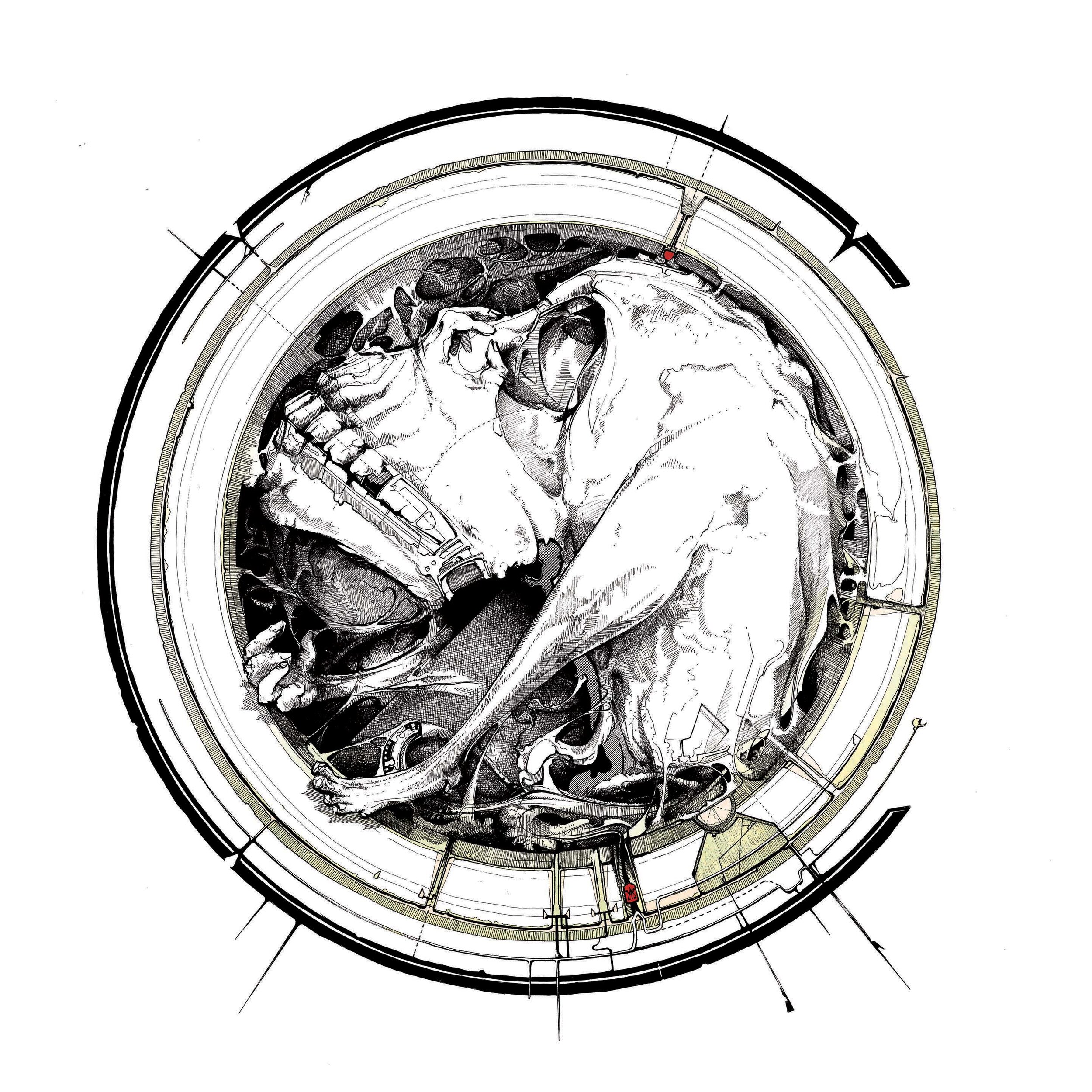
About
The original Virtual Futures Conferences (1994, 1995, 1996) were often portrayed as technopositivist festivals of accelerationism towards a posthuman future – the “Glastonbury of cyberculture”, as the Guardian put it. However, hidden behind the brushed steel and silicon, the jargon, the charismatic prophets and the techno parties the mission was rather more sober and more urgent. They were an attempt to develop a new interdisciplinary approach to confronting the contemporary technologisation of first-world cultures.
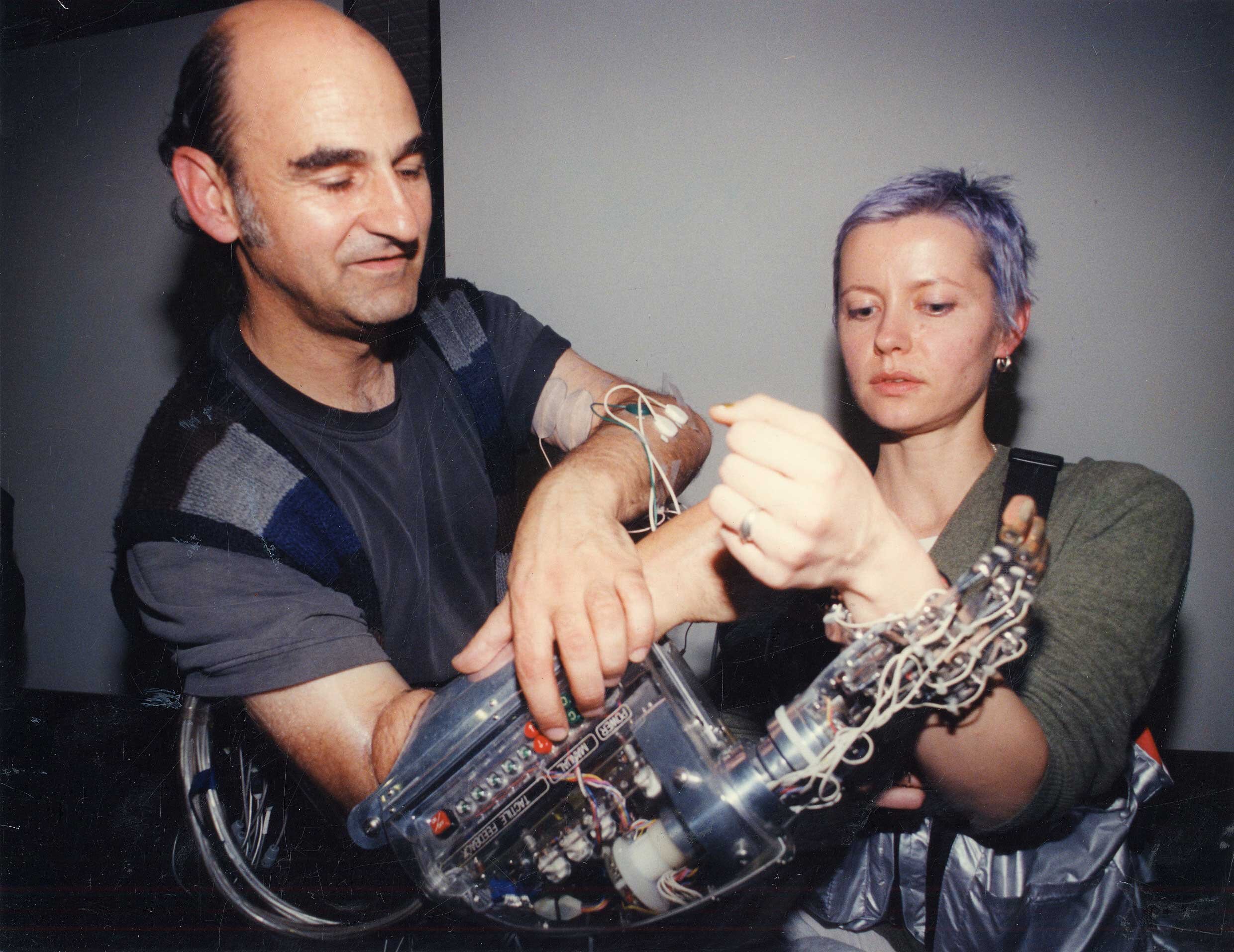
Conferences
The Virtual Futures Conferences (1994, 1995 & 1996) saw groups of renegade philosophers lock horns with the future based on the provocations of evidence provided by the emergence of the Internet. Their predictions were wild, exerted creative licence and were unfaithful to every academic discipline.
Soon these events evolved into a unique, international gathering where the morphing of cultural space was accelerated by the head-on collision of science, theory, music, fiction, and multimedia. Today the conferences continue to connect audiences with one of the most important intellectual and cultural developments of our times – the technological extension of the human condition.
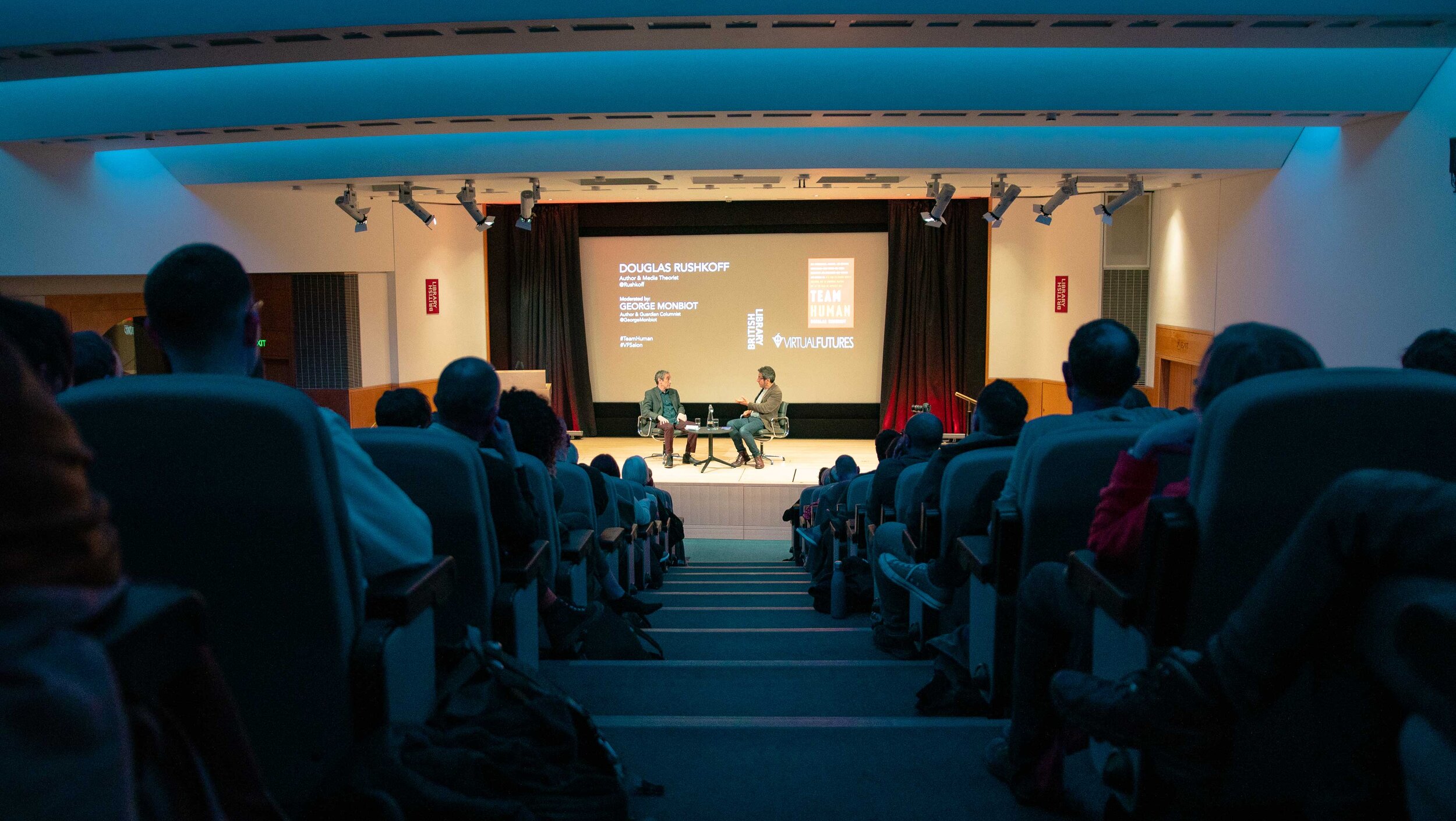
Salons
Virtual Futures Salons are a series of highly immersive event experiences that encourage and promote original thinking. They bring together artists, philosophers, cultural theorists, technologists and fiction writers to re-address the potential of looking at our future through a techno-philosophical lens.
The Salon series completes Virtual Futures’ aim to, “bury the 20th century and begin work on the 21st. They will cast a critical eye over the phenomenal changes in how humans (and non-humans) engage with emerging scientific theory and technological development.

Fictions
Virtual Futures’ Near-Future Fictions series reasserts the significance of science fiction as a tool for criticising, interrogating, and navigating possible tomorrows. Our aim is to promote stories that think critically about the sorts of technological developments that are just over horizon, and provide a unique perspective on contemporary concerns related to the perceived trajectory of scientific innovation.